The Upper Columbia United Tribes (UCUT) and the five Member Tribes – the Coeur d’Alene Tribe, the Kalispel Tribe of Indians, the Kootenai Tribe of Idaho, the Confederated Tribes of the Colville Reservation, and the Spokane Tribe of Indians – are hard at work on toxics reduction efforts in the Upper Columbia Region.
In Fall 2023, the Environmental Protection Agency (EPA) awarded UCUT approximately $5.5 million over five years to form and manage the Upper Columbia United Tribes Columbia River Toxics Reduction Lead Entity (CRTRLE) project. This funding extends the reach of EPA’s Columbia Basin Restoration Program and engages the five Member Tribes of UCUT, selected nongovernmental organizations (NGOs), state and federal agencies, and community members throughout the region in reducing toxic pollution entering waterways and ecosystems of the Upper Columbia Basin Watershed.
The Project
This is a multi-phased, large-scale program leveraging partnerships to implement projects with five focus areas. The largest focal area is the construction of a comprehensive toxics reduction strategic plan for the Basin.
UCUT Central has been working closely with the five Member Tribes over the last year to develop a proposal request for the production of a Comprehensive Strategic Plan to Reduce Toxic Pollution in the Upper Columbia Basin. This Request for Proposal (RFP) closed for submissions in December 2025, and UCUT hopes to begin working with the contractor in early Spring 2026.
Additionally, all five Tribes will produce regionally important toxics reduction plans that contain their priorities and are integrated with the UCUT comprehensive strategic plan. Washington State Department of Ecology, another Lead Entity who was awarded money from EPA’s Columbia River Toxics Reduction grant program to develop a statewidecomprehensive strategy, will have their priorities and strategic efforts represented in the UCUT plan. Conversations between the State of Washington and UCUT Central continue to ensure coordination and synergy between planning efforts.
Other focus areas include agricultural assistance for Best Management Practices (BMPs) and buffers, a lead fishing gear exchange, education and outreach, and a publicly accessible historic mining inventory.
UCUT is awarding these funding packages annually to Tribes and NGOs for projects that accomplish the goals of toxics reduction planning and implementation. Two NGOs – the Idaho Conservation League (ICL) and Lake Roosevelt Forum (LRF) – for the education and outreach work are well underway in their workplans and are in frequent communication with UCUT Central. UCUT hopes to grant subawards for lead fishing gear projects in late February 2026. A request for proposals for agricultural assistance and buffers projects will be released in 2026.
Meanwhile, the Member Tribes continue to work in their individual capacities on toxics monitoring and reduction work while also participating in UCUT Central efforts.
If you are interested in finding out more about the program or want to submit a proposal for an agricultural assistance and buffers project, contact UCUT Central, Environmental Manager Caroline Keever at caroline@ucut-nsn.org or Jerry White, Environmental Coordinator at jerry@ucut-nsn.org.
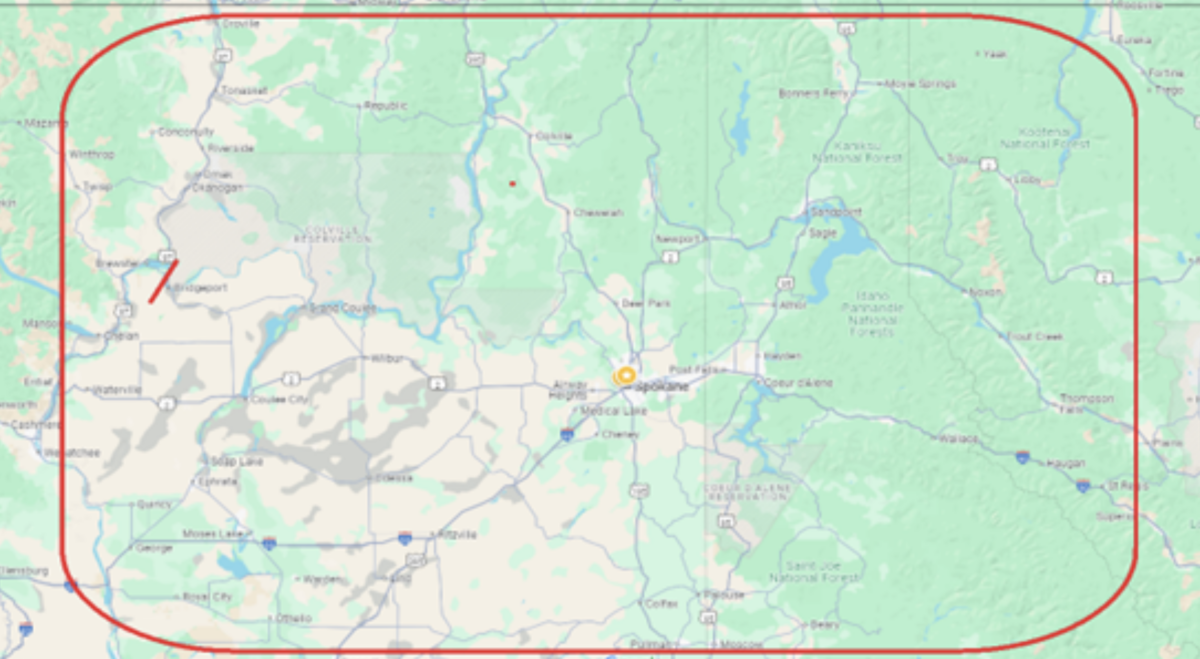
Approximate project area